Abstract
Diabetes and obesity are growing concerns in India, with cases of diabetes rising rapidly. Several key factors contribute to this increasing burden. Individuals must adopt crucial habits, such as monitoring daily calorie intake, regularly checking their weight, and prioritizing sleep, which aids in burning fat cells. Poor dietary practices, including ignoring the design of a balanced and colorful food plate with appropriate proportions of carbohydrates, fats, and proteins, lead to abdominal obesity—a major factor in insulin resistance and diabetes. Additionally, social media-induced binge eating exacerbates obesity. A study conducted on 60 participants across varied age groups highlighted essential habits for managing these issues: tracking daily calorie intake, making food plates colorful, ensuring at least 7 hours of sleep, avoiding screen time during meals, and preferring homemade meals over fancy diets. Regular weight and sugar level checks are critical for early detection and control of food and sugar intake, thereby helping to manage diabetes and obesity effectively.
Key Words & Definition
- Diabetes: A chronic condition characterized by high levels of glucose in the blood due to the body's inability to produce or effectively use insulin. There are two main types: Type 1 diabetes, where the body does not produce insulin, and Type 2 diabetes, where the body becomes resistant to insulin or doesn't produce enough. (Zimmet, P. Z., Magliano, D. J., Herman, W. H., & Shaw, J. E. (2014))
- Obesity: A medical condition in which excess body fat has accumulated to the extent that it may have a negative effect on health. It is typically measured using the Body Mass Index (BMI), where a BMI of 30 or higher is considered obese. (Brewer, C. J., & Balen, A. H. (2010).)
- Balanced Diet: A diet that provides all the essential nutrients, vitamins, and minerals the body needs to function correctly. It includes a variety of foods from all the food groups in the right proportions, ensuring adequate intake of carbohydrates, proteins, fats, vitamins, and minerals. (Lim, S. (2018).)
- Screen Time: The amount of time spent using devices with screens, such as smartphones, computers, televisions, and tablets. Excessive screen time, especially during meals, is linked to unhealthy eating habits and obesity. (Kamaleddine, A. N., Antar, H. A., Abou Ali, B. T., Hammoudi, S. F., Lee, J., Lee, T., ... & Salameh, P. (2022))
- Fancy Diets: Trendy or popular diets that often promise quick weight loss or health benefits but are not always based on scientific evidence. These diets may be overly restrictive, lack essential nutrients, or promote unhealthy eating patterns compared to balanced, homemade meals. (Tahreem, A., Rakha, A., Rabail, R., Nazir, A., Socol, C. T., Maerescu, C. M., & Aadil, R. M. (2022))
I. INTRODUCTION
Diabetes and obesity are increasingly prevalent in India, presenting significant challenges to public health. The rising incidence of these conditions is alarming and necessitates urgent attention to lifestyle and dietary habits (Kalra et al. (2023)). Several key factors contribute to this growing burden, highlighting the importance of proactive measures in managing and preventing diabetes and obesity.
One critical aspect of managing weight and preventing obesity is the regular monitoring of daily calorie intake. Keeping track of calorie consumption helps individuals maintain a healthy weight and avoid excessive fat accumulation. (Hall, K. D., & Kahan, S. (2018).) Additionally, incorporating colorful meals into the diet is particularly important for those with diabetes. A colorful plate, rich in a variety of foods, ensures a balanced intake of essential nutrients, including carbohydrates, fats, and proteins, which are vital for overall health and diabetes management. (Cena, H., & Calder, P. C. (2020).)
Sleep is another important parameter in the context of diabetes and obesity. Adequate sleep, typically around seven hours per night, is essential for maintaining metabolic health. Proper sleep patterns help in the regulation of various bodily functions, including the burning of fat cells, which can aid in weight management and reduce the risk of diabetes. ( Papatriantafyllou, E., Efthymiou, D., Zoumbaneas, E., Popescu, C. A., & Vassilopoulou, E. (2022))
A balanced diet is crucial for preventing diabetes and managing its symptoms. Ensuring that meals are well-rounded and include the necessary nutrients can significantly impact an individual's health. However, the influence of social media often leads to the adoption of trendy diets like keto and intermittent fasting. These diets may offer incomplete information and can result in deleterious effects in the long run. The allure of quick fixes and dramatic results can overshadow the importance of a sustainable, balanced diet, leading to poor dietary choices and adverse health outcomes.
Social media intoxication also plays a role in unhealthy eating habits, such as binge eating, which can lead to obesity. (Escrivá-Martínez, et al; 2020). The constant exposure to food-related content can create unhealthy food cravings and disrupt eating patterns. This highlights the need for individuals to be cautious about the information they consume online and to prioritize evidence-based dietary practices.
Furthermore, regular monitoring of weight and blood sugar levels is crucial in understanding where to control diet and make necessary adjustments. Keeping track of these parameters provides early warnings of potential health issues and enables timely interventions. By being vigilant about weight and blood sugar levels, individuals can better manage their diet and overall health, reducing the risk of diabetes and obesity.
In summary, the increasing prevalence of diabetes and obesity in India underscores the need for comprehensive lifestyle and dietary changes. Monitoring calorie intake, ensuring a colorful and balanced diet, prioritizing adequate sleep, and being cautious about the influence of social media are all essential habits for managing these conditions. Regular weight and blood sugar checks further aid in early detection and control, promoting better health outcomes and reducing the burden of diabetes and obesity in the population.
The objective of this paper is to explore and analyze the key habits and daily practices that significantly impact weight and blood sugar levels. By identifying these crucial behaviors, the study seeks to provide a comprehensive understanding of how certain lifestyle choices and routines contribute to substantial fluctuations in these health metrics. The goal is to offer insights that can guide individuals in making informed decisions to maintain healthy weight and blood sugar levels, ultimately promoting overall well-being and preventing related health complications.
Research Question
What are the key habits that individuals adopt to effectively manage and control their blood sugar levels and weight on a long-term and permanent basis?
Research Objectives
The primary objective of this research is to identify and analyze the key habits that individuals adopt to effectively manage and sustain long-term control over their blood sugar levels and weight. This study aims to delve into the specific lifestyle choices, dietary practices, physical activities, and behavioral strategies that contribute to stable and healthy blood sugar levels and weight management. By understanding these habits, the research seeks to provide actionable insights and recommendations for individuals looking to achieve and maintain optimal health, prevent chronic conditions, and improve their overall quality of life.
II. LITERATURE REVIEW
Diabetes and obesity are critical health concerns worldwide, particularly in India. Recent research highlights the growing prevalence of these conditions and underscores the need for effective management strategies. This literature review synthesizes key findings from various studies, emphasizing the importance of comprehensive care and lifestyle modifications in managing diabetes and obesity.
Prevalence and Risk Factors
Babu et al. (2024) reported that the prevalence of type 2 diabetes among the Indian tribal population is lower than the national average of 7.3% for the general population. However, hypertension and obesity were identified as major risk factors. The study highlights that changing behavioral patterns, including dietary habits, are likely to increase the prevalence of hypertension and obesity, which in turn could lead to a rise in type 2 diabetes cases.
Management of Diabetes
Managing diabetes involves careful control of several health aspects, commonly referred to as the "ABCs" of diabetes: A1C (a measure of average blood sugar over the past few months), Blood pressure, and Cholesterol. Proper management of these factors helps reduce the risk of complications such as cardiovascular diseases, which are common in individuals with type 2 diabetes (Patient Education: Type 2 Diabetes and Diet, 2024).
Factors Influencing Diabetes and Obesity
Several key factors influence the control of diabetes and obesity over time. These include sleep quality, monitoring calorie intake, lifestyle (sedentary or active), the impact of social media disseminating incomplete information, trendy diets, and the frequency of checking weight and blood sugar levels. Poor sleep quality, whether due to short or long sleep duration or an intermediate or low risk of obstructive sleep apnea, is statistically associated with poor glycemic control. Therefore, maintaining good sleep quality and appropriate sleep duration is crucial for keeping glycemic levels within the normal range (Shibabaw, Dejenie, & Tesfa, 2023). Sleep disturbances are modifiable risks for patients at risk of cardiometabolic diseases, and assessing sleep health should be a key component of comprehensive care for patients with obesity and diabetes mellitus (Kurnool et al., 2023).
Dietary Patterns
Dietary patterns play a significant role in managing diabetes and obesity. Diets should emphasize non-starchy vegetables, whole fruits, legumes, whole grains, nuts, seeds, and low-fat dairy products while minimizing meat, sugar-sweetened beverages, sweets, refined grains, and ultra-processed foods. Reducing overall carbohydrate intake can improve glycemia in adults with diabetes (Care, 2023). Low-calorie diets with reduced fat or carbohydrate content are often recommended, and in some cases, very-low-calorie diets are necessary for short periods. Macronutrient composition-based diets, such as ketogenic or high-protein diets, may be considered, although their long-term effectiveness and potential risks are still unknown. Meal timing is also crucial, with higher-calorie breakfasts combined with overnight fasting potentially aiding in obesity prevention (Kim, 2021).
Role of Dietary Fiber
The intake of dietary fiber has been associated with favorable health outcomes and weight management, although its effect on weight loss in employer settings requires further study (Kelly et al., 2023). A multidisciplinary approach combining diet, physical activity, and pharmacological therapy is essential for optimizing metabolic control in diabetes management (Cannata et al., 2020).
Impact of Modern Lifestyle and Trendy Diets
The modern lifestyle, characterized by prolonged sedentary behavior, often exacerbated by extensive social media use, contributes to weight gain and obesity due to reduced daily calorie expenditure (Shiyab et al., 2023). While trendy diets like the keto diet and intermittent fasting can lead to significant weight loss, they may also cause adverse effects such as reduced muscle mass, hair loss, and decreased efficiency of vital organs. These fad diets, though popular for their quick-fix claims, often lack scientific backing (Tahreem et al., 2022).
Benefits of Homemade Food
Homemade food, prepared with simple ingredients, often proves more beneficial for health and weight management compared to trendy diets. Regular consumption of home-cooked meals is associated with better dietary quality and lower adiposity (Mills et al., 2017). Future research should focus on adapting key habits to achieve diabetes and obesity control without resorting to unnecessary medications and associated complications.
Research Framework
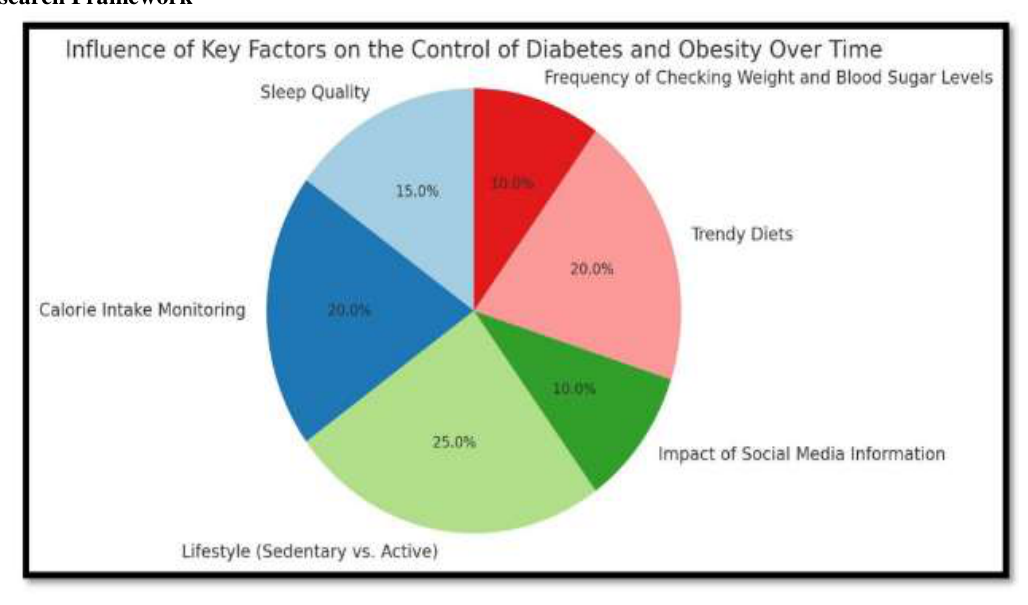
Research Methodology Objective
To understand the various key habits that increase the risk of diabetes and obesity across different age groups.
Participants
- Sample Size: 60 participants
- Age Groups: Diverse range of age groups included to ensure comprehensive analysis
Data Collection
- Method: Survey
- Instrument: Structured questionnaire
Survey Design
- Questions: The survey included questions designed to assess key factors influencing diabetes and obesity, such as:
- Sleep Quality
- Calorie Intake Monitoring
- Lifestyle (Sedentary vs. Active)
- Impact of Social Media Information
- Trendy Diets
- Frequency of Checking Weight and Blood Sugar Levels
Procedure
- Survey Distribution:
- Participants were provided with the survey questions in a structured format.
- Surveys were handed out in person and completed by participants.
Data Collection Tool:
• Responses were collected using Google Forms, which facilitated easy data entry and management.
Data Analysis:
- Data from Google Forms was exported and analyzed using its built-in analysis tools.
- Statistical analysis was performed to identify patterns and correlations between the surveyed habits and the risks of diabetes and obesity.
Ethical Considerations
- Informed Consent: Participants were informed about the purpose of the study and provided consent before participating.
- Confidentiality: Ensured the privacy and confidentiality of participant responses.
- Voluntary Participation: Participation was voluntary, and participants could withdraw at any time without any consequence.
Analysis
- Quantitative Analysis: Descriptive statistics were used to summarize the data. Frequencies, percentages, and mean scores were calculated for each key factor.
- Comparative Analysis: Data was compared across different age groups to identify any significant differences or trends.
Expected Outcomes
- Identification of key habits that significantly increase the risk of diabetes and obesity.
- Insights into age-specific trends and risk factors.
- Recommendations for targeted interventions to reduce the risk of diabetes and obesity based on identified key habits.
This methodology ensures a structured and comprehensive approach to understanding the key habits influencing diabetes and obesity risk, leveraging survey data and robust analysis techniques.
Survey Questionnaire
- Age Category: • Below 18 years • 19-30 years • 31-40 years • 41-50 years • Above 50 years
- Gender: • Male • Female • Prefer not to say
- Occupation: • Working with a private organization • Working with a government organization • Entrepreneur • Homemaker • Student
- Monitoring calorie intake is important for knowing daily consumption: (Use a scale of 1 to 5, where 1 is Strongly Disagree and 5 is Strongly Agree)
- Social media should play an active role in spreading awareness about calorie intake monitoring: (Use a scale of 1 to 5, where 1 is Strongly Disagree and 5 is Strongly Agree)
- Rate your lifestyle: (Use a scale of 1 to 5, where 1 is Sedentary, 2 is Moderately Active, 3 is Active, 4 is Very Active, and 5 is Highly Active)
- How frequently do you monitor your weight? (Use a scale of 1 to 5, where 1 is Very Rarely, 2 is Rarely, 3 is Neutral, 4 is Often, and 5 is Most Often)
- What is your BMI category? (Use a scale of 1 to 5, where 1 is Underweight (<18), 2 is Normal weight (18-24), 3 is Overweight (25-29), 4 is Obese (30-39), and 5 is Severely Obese (40 and above))
- Indians suffer from abdominal obesity in the highest proportion across the world: (Use a scale of 1 to 5, where 1 is Strongly Disagree and 5 is Strongly Agree)
- How frequently do you engage in physical activities (yoga, gym workouts, sports, swimming, walking, or jogging)? (Use a scale of 1 to 5, where 1 is Very Rarely, 2 is Rarely, 3 is Neutral, 4 is Often, and 5 is Most Often)
- How frequently do you check what you are eating in a day? (Use a scale of 1 to 5, where 1 is Very Rarely, 2 is Rarely, 3 is Neutral, 4 is Often, and 5 is Most Often)
- Is your food plate colorful every time? (Use a scale of 1 to 5, where 1 is Very Rarely, 2 is Rarely, 3 is Neutral, 4 is Often, and 5 is Most Often)
- Which is the major component in your food plate: • Protein sources (e.g., Dal, Chicken, Beans, Eggs) • Fibers (e.g., Fruits, Vegetable Salads) • Carbohydrates (e.g., Roti, Chapati, Brown Rice) • Combination of all Proteins, Fibers & Carbohydrates
- Do you watch online content (e.g., Netflix, Instagram reels, YouTube shorts) while having your meals? (Use a scale of 1 to 5, where 1 is Very Rarely, 2 is Rarely, 3 is Neutral, 4 is Often, and 5 is Most Often)
- Do people follow diets based on social media trends (e.g., Keto, Vegan, Intermittent Fasting) rather than focusing on homemade food? (Use a scale of 1 to 5, where 1 is Strongly Agree and 5 is Strongly Disagree)
- Do you think sleep is a parameter for reducing your blood sugar levels? (Use a scale of 1 to 5, where 1 is Strongly Agree and 5 is Strongly Disagree)
- How many hours do you sleep in a day? • Less than 5 hours • 5-6 hours • 6-7 hours • 7-8 hours • More than 8 hours
- How frequently do you monitor your blood pressure levels? (Use a scale of 1 to 5, where 1 is Very Rarely, 2 is Rarely, 3 is Neutral, 4 is Often, and 5 is Most Often)
III. RESULTS
The results were calculated by conducting a survey of 60 patients using Google Forms. The data was analyzed using Excel. Below are the detailed results presented with bar graphs along with insights for each aspect of the survey:
Age Distribution
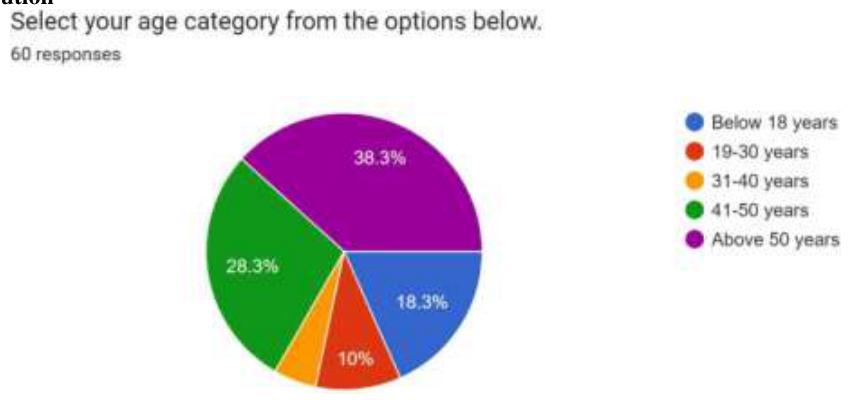
Most respondents fall into the 50 years age category, followed by the 41-50 years group.
Gender Distribution
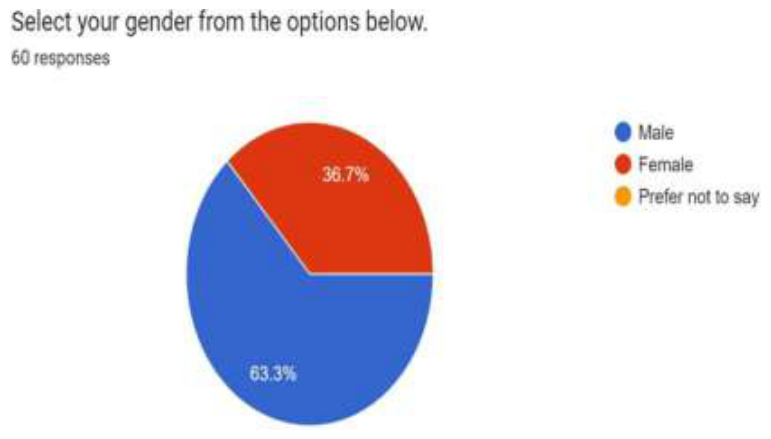
Males represent a larger portion of the respondents.
Occupation
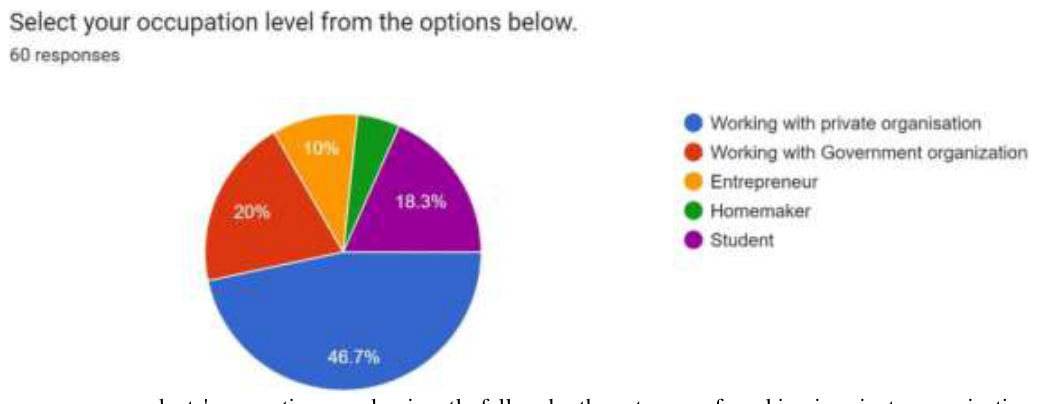
The survey respondents' occupations predominantly fall under the category of working in private organizations.
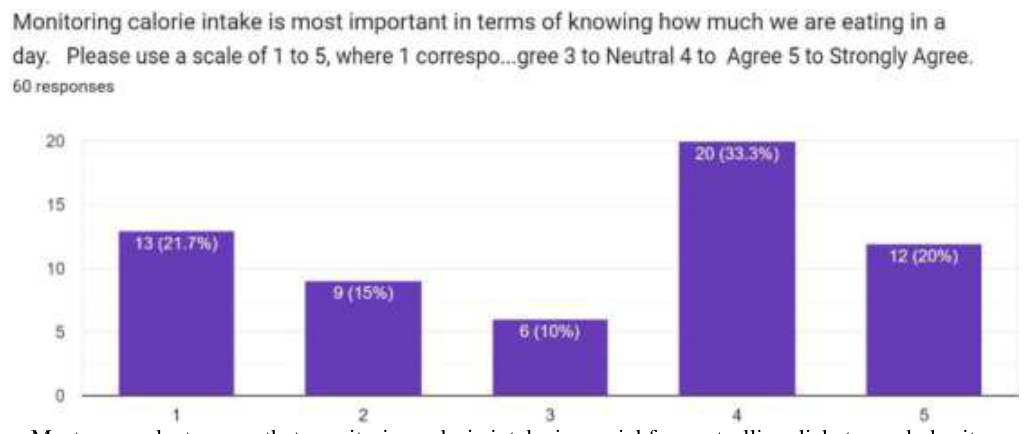
Most respondents agree that monitoring calorie intake is crucial for controlling diabetes and obesity.
Social media should play an active role in spreading awareness about calorie intake monitoring.
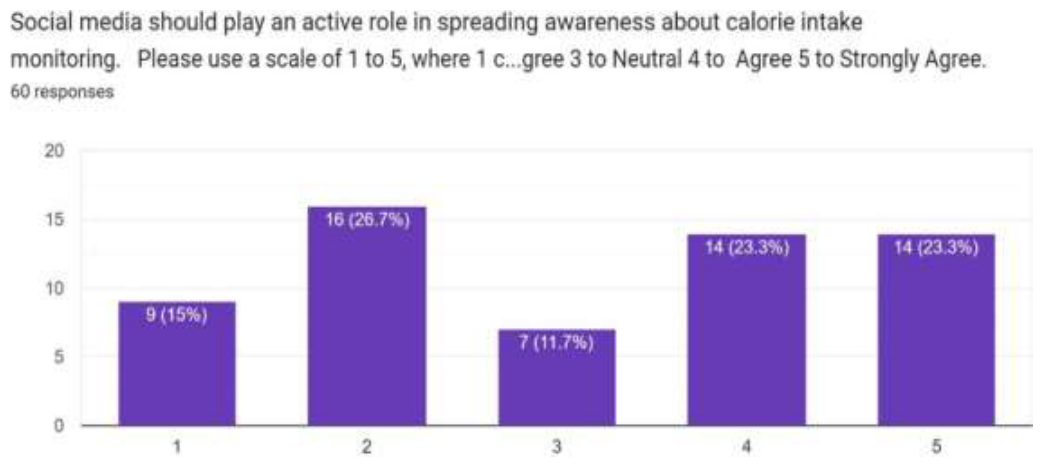
The survey indicates that social media has a significant impact on raising awareness about food intake for managing diabetes. However, the reliability of the information shared, in terms of proper references and scientific backing, remains questionable.
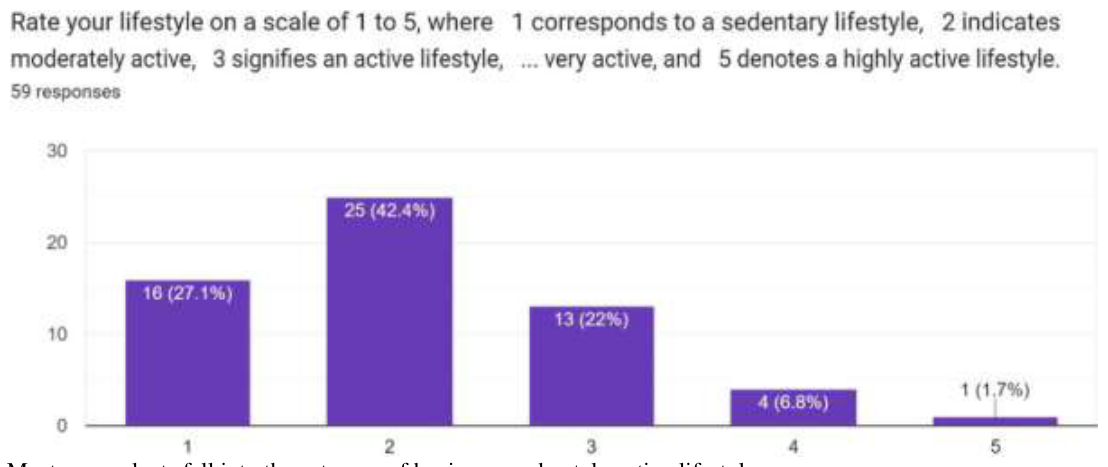
Most respondents fall into the category of having a moderately active lifestyle.
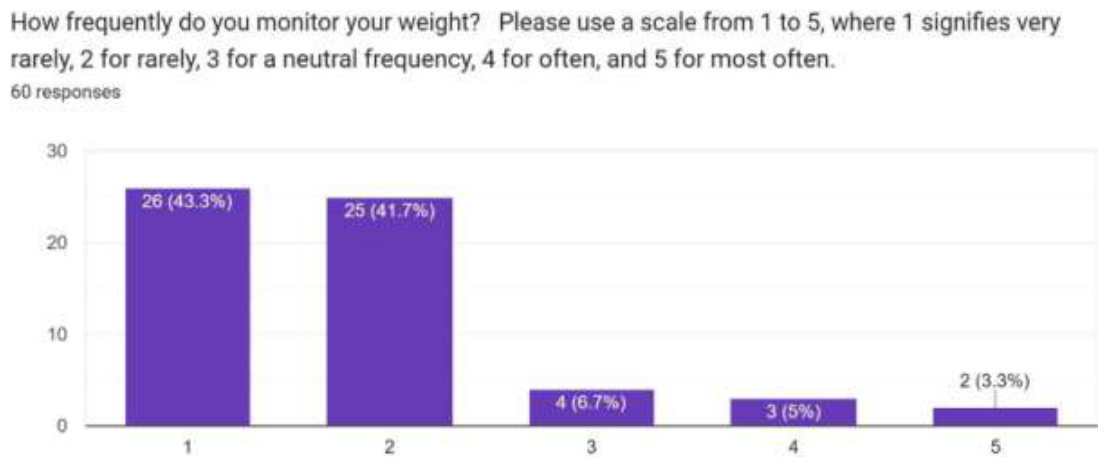
Respondents in the survey revealed that infrequent weight monitoring is a major factor contributing to gradual weight gain.
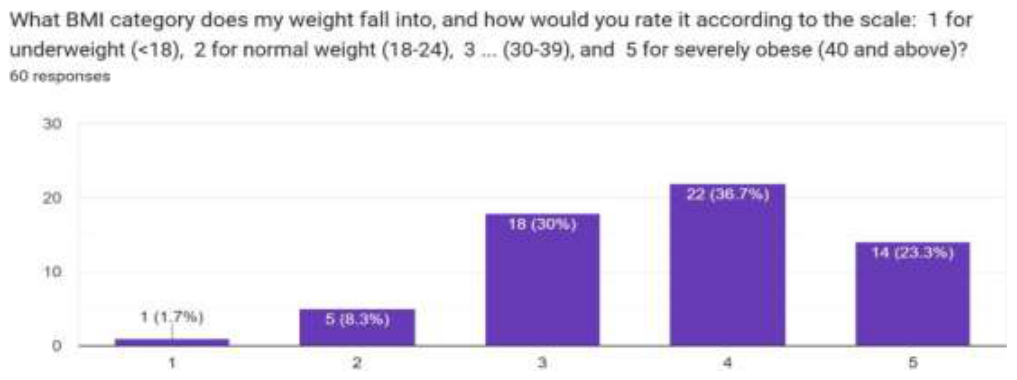
Most of the respondents in the survey fall into the categories of above-average weight to significantly above-average weight.
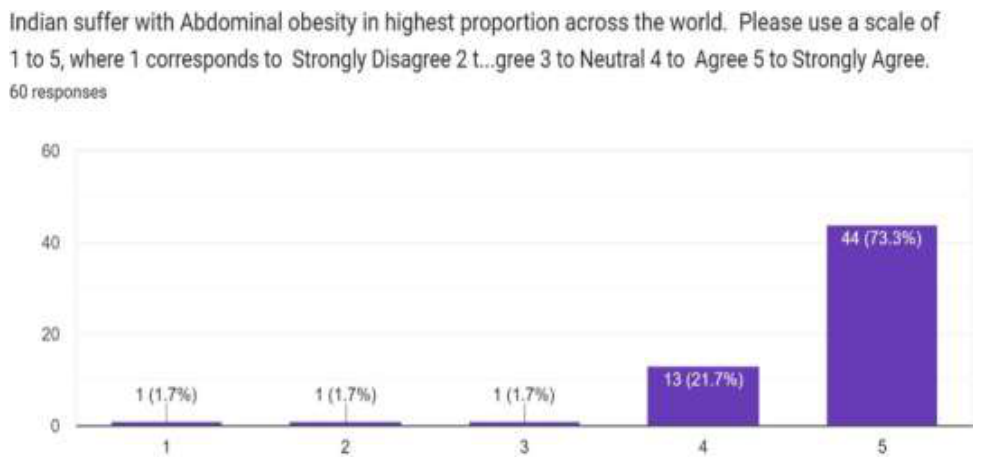
Respondents agree that abdominal obesity is quite prevalent in the Indian population. This form of obesity is a significant contributor to the development of diabetes and overall obesity.
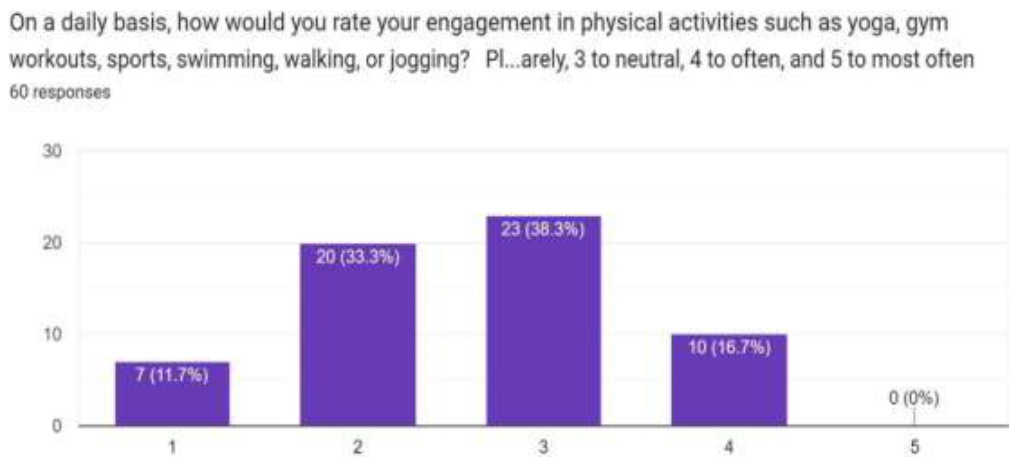
Most of the respondents engage in key activities such as swimming and going to the gym. Millennials are generally aware of the importance of incorporating physical activity into their daily routine.
Most respondents are not consistently monitoring their daily food intake.
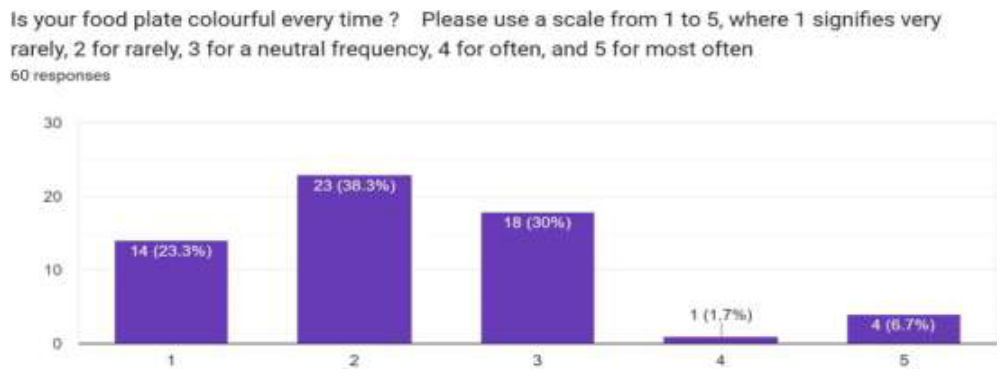
Respondents believe that a food plate without vibrant colors is not part of their practice. They emphasize that food should be colorful.
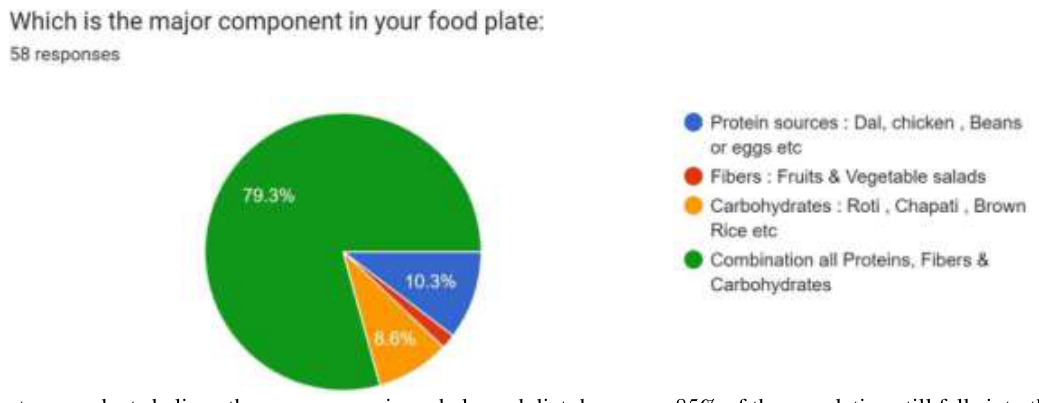
Most respondents believe they are consuming a balanced diet; however, 85% of the population still falls into the categories of obesity and diabetes.
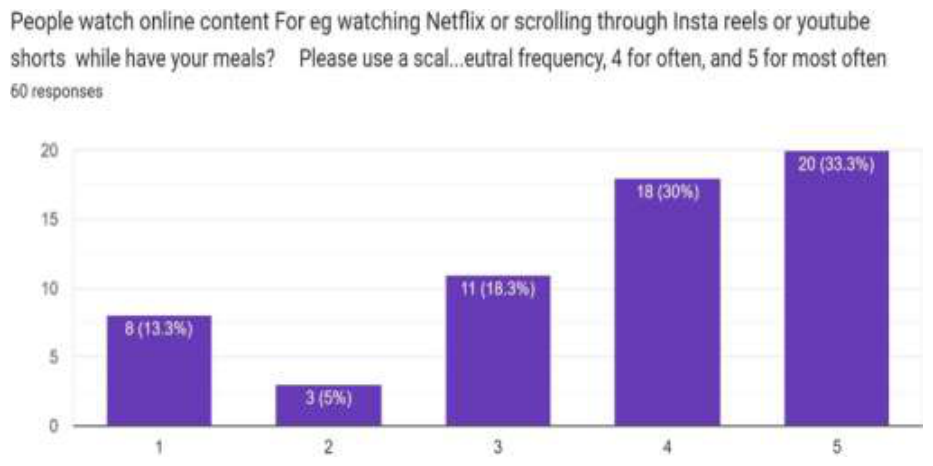
Most people watch social media while having their meals, which often leads to overeating.
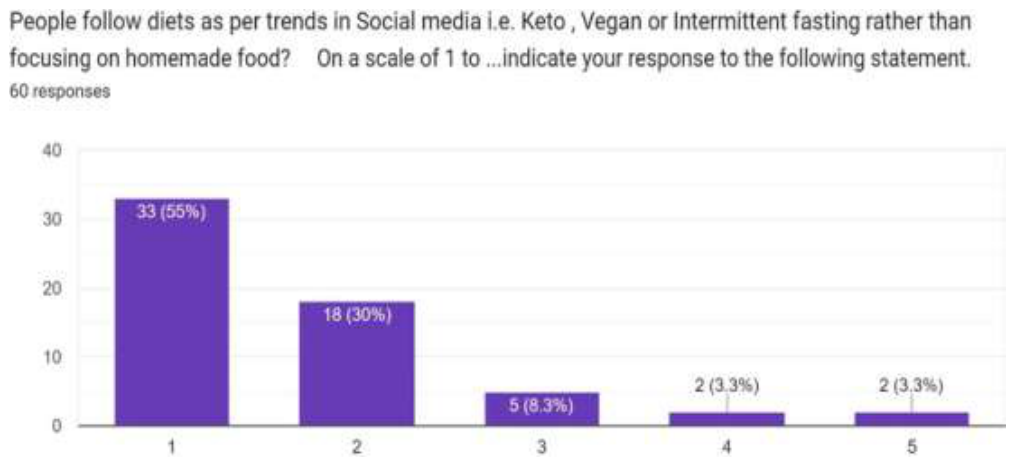
The majority of people are focused on fad diets rather than trusting the benefits of traditional homemade food
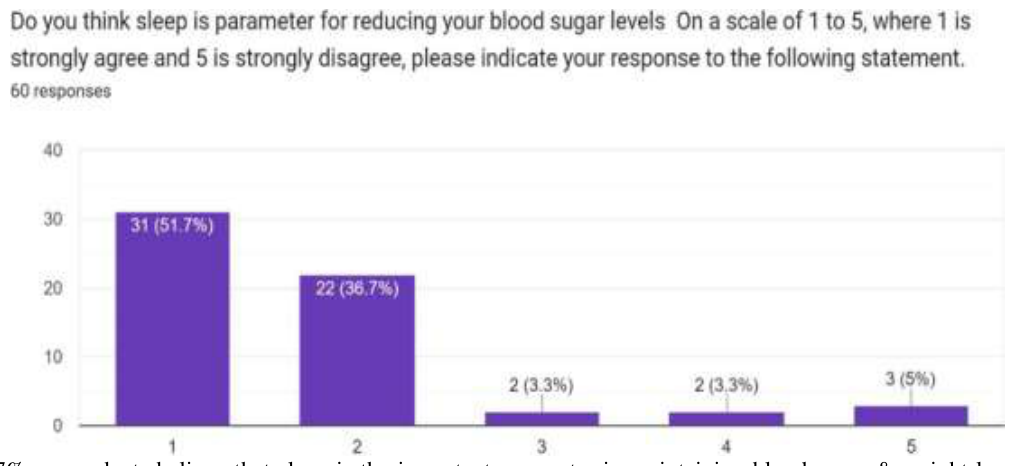
51.7% of respondents believe that sleep is the important parameter in maintaining blood sugar & weight levels.
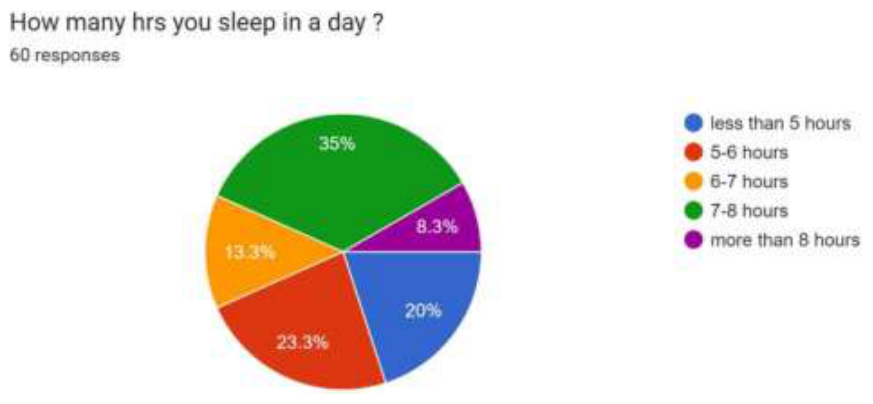
Social media has significantly impacted sleep across all generations, and lack of sleep is a major factor contributing to the increase in diabetes and obesity.
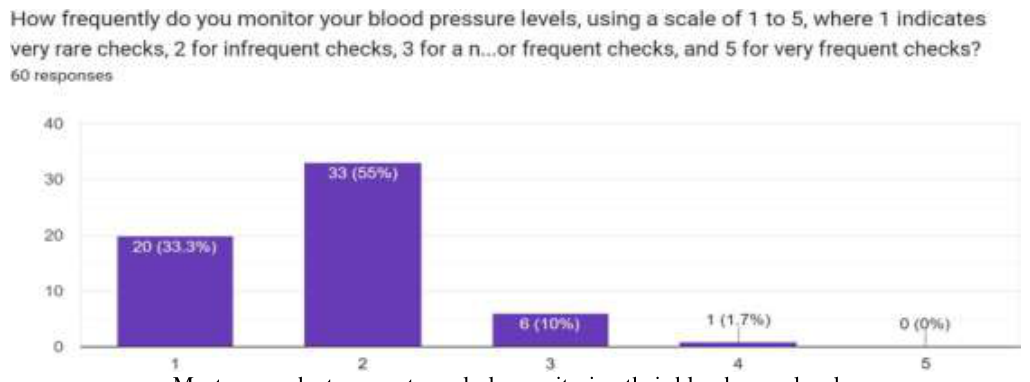
Most respondents are not regularly monitoring their blood sugar levels.
IV. CONCLUSION
Diabetes and obesity are burgeoning concerns in India, with diabetes cases escalating at an alarming rate. Several key factors contribute to this increasing burden, necessitating a shift in individual habits and lifestyle choices. (Pradeepa, R., & Mohan, V. (2021). ) This study, conducted on 60 participants across varied age groups, underscores the importance of adopting crucial habits such as monitoring daily calorie intake, regularly checking weight, and prioritizing sleep, which aids in burning fat cells.
The survey revealed that poor dietary practices, including neglecting the creation of a balanced and colorful food plate with appropriate proportions of carbohydrates, fats, and proteins, lead to abdominal obesity—a significant factor in insulin resistance and diabetes. Additionally, social media-induced binge eating exacerbates obesity, highlighting the detrimental impact of digital distractions on eating habits.
The study's findings emphasize essential habits for managing diabetes and obesity: tracking daily calorie intake, making food plates colorful, ensuring at least 7 hours of sleep, avoiding screen time during meals, and preferring homemade meals over fad diets. Regular weight and sugar level checks are critical for early detection and control of food and sugar intake, thereby helping to manage these conditions effectively.
Most respondents work in private organizations and agree that monitoring calorie intake is crucial for controlling diabetes and obesity. Although social media significantly raises awareness about food intake for managing diabetes, the reliability of the information shared, in terms of proper references and scientific backing, remains questionable.
Most respondents fall into the categories of above-average weight to significantly above-average weight, and abdominal obesity is quite prevalent in the Indian population. Millennials are generally aware of the importance of incorporating physical activity into their daily routine, yet most respondents do not consistently monitor their daily food intake. They believe that a food plate without vibrant colors is not part of their practice and emphasize that food should be colorful. Additionally, most people are focused on fad diets rather than trusting the benefits of traditional homemade food.
The impact of social media on sleep across all generations is significant, and lack of sleep is a major factor contributing to the increase in diabetes and obesity. Most respondents are not regularly monitoring their blood sugar levels, highlighting a critical gap in the management of these conditions.
In conclusion, addressing the rising tide of diabetes and obesity in India requires a multifaceted approach that includes adopting healthier eating habits, regular physical activity, sufficient sleep, and consistent monitoring of weight and blood sugar levels. Awareness and education about the benefits of traditional homemade food over fad diets, along with reducing screen time during meals, can also play a significant role in managing and preventing these conditions. The insights from this survey underscore the need for a comprehensive strategy to combat diabetes and obesity, fostering a healthier future for the Indian population.
References
[1]. Zimmet, P. Z., Magliano, D. J., Herman, W. H., & Shaw, J. E. (2014). Diabetes: a 21st century challenge. The lancet Diabetes & endocrinology, 2(1), 56-64.
[2]. Brewer, C. J., & Balen, A. H. (2010). Focus on obesity. Reproduction, 140(3), 347-64.
[3]. Lim, S. (2018). Eating a balanced diet: a healthy life through a balanced diet in the age of longevity. Journal of obesity & metabolic syndrome, 27(1), 39.
[4]. Kamaleddine, A. N., Antar, H. A., Abou Ali, B. T., Hammoudi, S. F., Lee, J., Lee, T., ... & Salameh, P. (2022). Effect of screen time on physical and mental health and eating habits during COVID-19 lockdown in Lebanon. Psychiatry investigation, 19(3), 220.
[5]. Tahreem, A., Rakha, A., Rabail, R., Nazir, A., Socol, C. T., Maerescu, C. M., & Aadil, R. M. (2022). Fad diets: Facts and fiction. Frontiers in nutrition, 9, 1517.
[6]. Kalra, S., Kapoor, N., Verma, M., Shaikh, S., Das, S., Jacob, J., & Sahay, R. Defining and diagnosing obesity in India: a call for advocacy and action. J Obes. 2023.
[7]. Hall, K. D., & Kahan, S. (2018). Maintenance of lost weight and long-term management of obesity. Medical Clinics, 102(1), 183-197.
[8]. Cena, H., & Calder, P. C. (2020). Defining a healthy diet: evidence for the role of contemporary dietary patterns in health and disease. Nutrients, 12(2), 334.
[9]. Papatriantafyllou, E., Efthymiou, D., Zoumbaneas, E., Popescu, C. A., & Vassilopoulou, E. (2022). Sleep deprivation: effects on weight loss and weight loss maintenance. Nutrients, 14(8), 1549.
[10]. Escrivá-Martínez, T., Herrero, R., Molinari, G., Rodríguez-Arias, M., Verdejo-García, A., & Baños, R. M. (2020). Binge eating and binge drinking: A two-way road? An integrative review. Current pharmaceutical design, 26(20), 2402-2415.
[11]. Babu, B. V., Hazarika, C. R., Raina, S. K., Masoodi, S. R., Basappa, Y. C., Thomas, N., ... & Jebasingh, F. K. (2024). PREVALENCE OF TYPE 2 DIABETES AMONG TRIBAL POPULATION OF INDIA: A MULTI-CENTRIC CROSS- SECTIONAL STUDY. Journal of the National Medical Association.
[12]. Delahanty, L. M., & Weinstock, R. R. S. (2021). Patient education: Type 1 diabetes and diet (Beyond the Basics). UpToDate. Retrieved February, 18, 2022.
[13]. Shibabaw, Y. Y., Dejenie, T. A., & Tesfa, K. H. (2023). Glycemic control and its association with sleep quality and duration among type 2 diabetic patients. Metabolism Open, 18, 100246.
[14]. Kurnool, S., McCowen, K. C., Bernstein, N. A., & Malhotra, A. (2023). Sleep Apnea, Obesity, and Diabetes—an Intertwined Trio. Current diabetes reports, 23(7), 165-171.
[15]. Kim, J. Y. (2021). Optimal diet strategies for weight loss and weight loss maintenance. Journal of obesity & metabolic syndrome, 30(1), 20.
[16]. Kelly, R. K., Calhoun, J., Hanus, A., Payne-Foster, P., Stout, R., & Sherman, B. W. (2023). Increased dietary fiber is associated with weight loss among Full Plate Living program participants. Frontiers in Nutrition, 10, 1110748.
[17]. Cannata, F., Vadalà, G., Russo, F., Papalia, R., Napoli, N., & Pozzilli, P. (2020). Beneficial effects of physical activity in diabetic patients. Journal of functional morphology and kinesiology, 5(3), 70.
[18]. Park, J. H., Moon, J. H., Kim, H. J., Kong, M. H., & Oh, Y. H. (2020). Sedentary lifestyle: overview of updated evidence of potential health risks. Korean journal of family medicine, 41(6), 365.
[19]. Tahreem, A., Rakha, A., Rabail, R., Nazir, A., Socol, C. T., Maerescu, C. M., & Aadil, R. M. (2022). Fad diets: Facts and fiction. Frontiers in nutrition, 9, 1517.
[20]. Mills, S., Brown, H., Wrieden, W., White, M., & Adams, J. (2017). Frequency of eating home cooked meals and potential benefits for diet and health: cross- sectional analysis of a population-based cohort study. International Journal of Behavioral Nutrition and Physical Activity, 14, 1-11.
[21]. Pradeepa, R., & Mohan, V. (2021). Epidemiology of type 2 diabetes in India. Indian journal of ophthalmology, 69(11), 2932-2938.